
The polymer matters
as much as the mould.
Commodity and engineering polymers selected around performance, processing, finish and the real-world requirements of the finished injection moulded component.
Choose the material
around the application.
Material selection affects how a component performs, how it moulds and how reliably it can be manufactured throughout its production life.
Mechanical performance, flexibility, temperature, chemical exposure, appearance, dimensional behaviour and commercial requirements can all influence the appropriate polymer for a moulded component.

Commodity polymers
and engineering plastics.
The appropriate polymer should be selected against the actual performance and processing requirement rather than simply choosing from a generic material list.
What does the component
actually need to do?
Material selection begins with the application, not simply with the name of a polymer.
Mechanical Performance
Strength, stiffness, flexibility, impact resistance, wear and the loads the finished component must withstand.
Operating Environment
Temperature, moisture, chemical exposure, UV, cleaning processes and real-world service conditions.
Appearance & Finish
Colour, opacity, clarity, moulded texture, surface finish and visible cosmetic requirements.
Manufacturing Behaviour
Flow, shrinkage, cooling, wall thickness and interaction between polymer, tool and process.
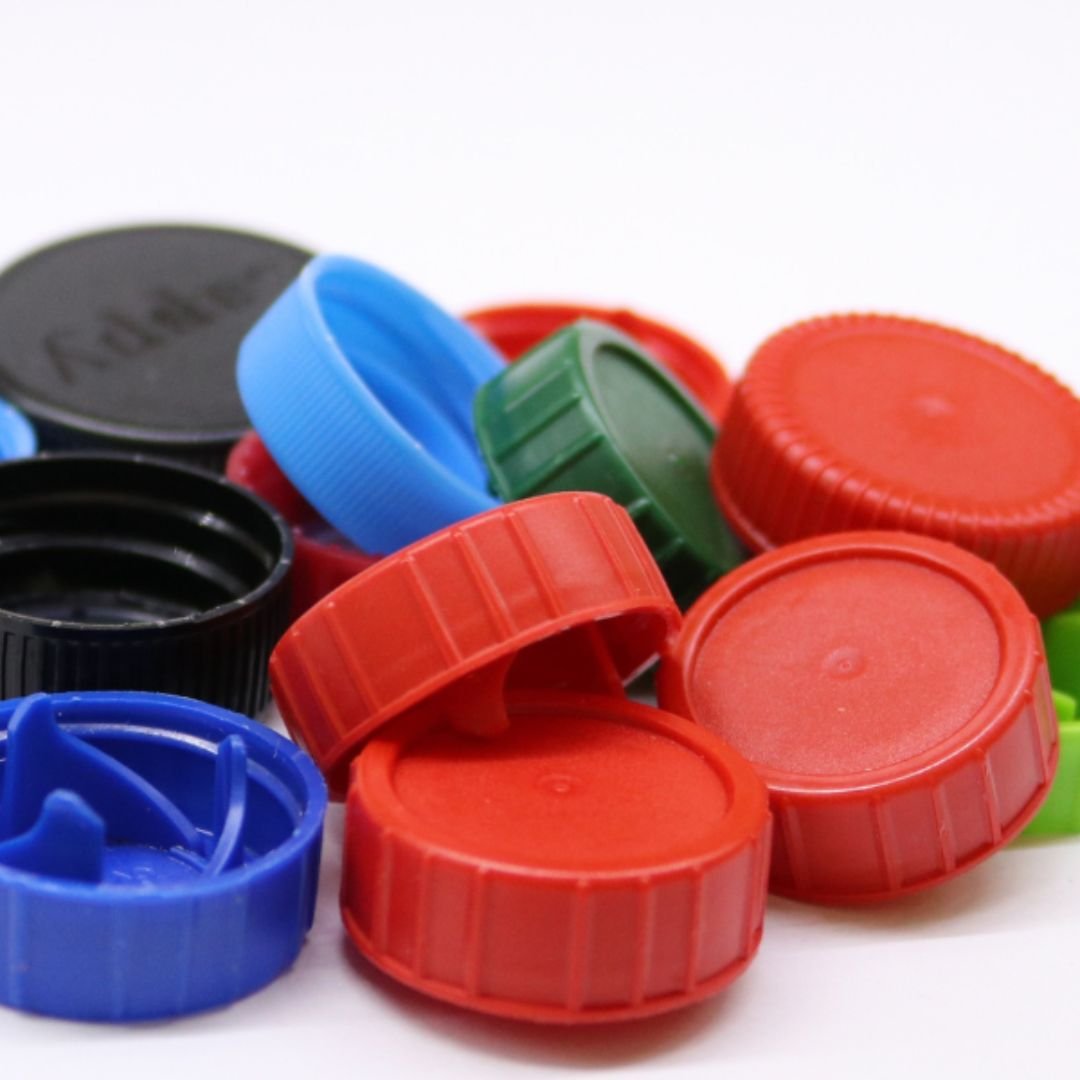
The polymer and geometry
have to work together.
Changing the material can affect shrinkage, flow, stiffness, cooling and dimensional behaviour.
Different polymers.
Different priorities.
The broad material family helps define the performance and processing characteristics available to the designer.
Efficient materials for a broad range of products.
Commodity polymers are widely used where the balance between performance, processing and cost suits the finished product.
Higher-performance materials for demanding components.
Engineering polymers can offer increased mechanical, thermal, wear or dimensional properties where the application requires more from the moulded component.
From application
to production polymer.
The correct route brings together the end-use, component design, tooling and production process.
Application
Define what the component needs to do and where it will operate.
Requirements
Identify mechanical, environmental, appearance and regulatory needs.
Material
Review suitable polymer families or specified customer grades.
Design
Consider geometry and the likely material processing behaviour.
Trial
Mould and assess trial parts where validation is appropriate.
Produce
Establish repeat production using the approved polymer route.
Performance matters.
So does appearance.
For visible components, the polymer choice and production specification can also influence colour, clarity and surface appearance.
Colour requirements can form part of the production material specification.
Where clarity matters, polymer and component design both influence the finished result.
Tool condition, texture and processing can affect the visible moulded finish.
Approved material and controlled processing support consistent production appearance.
Tell us what the component
needs to achieve.
You do not necessarily need to arrive with the polymer already chosen.
If there is a fixed customer-specified grade, certification or regulatory requirement, provide that information with the enquiry. Where the material is still open, the Regina team can discuss the application alongside component design, tooling and the proposed production route.
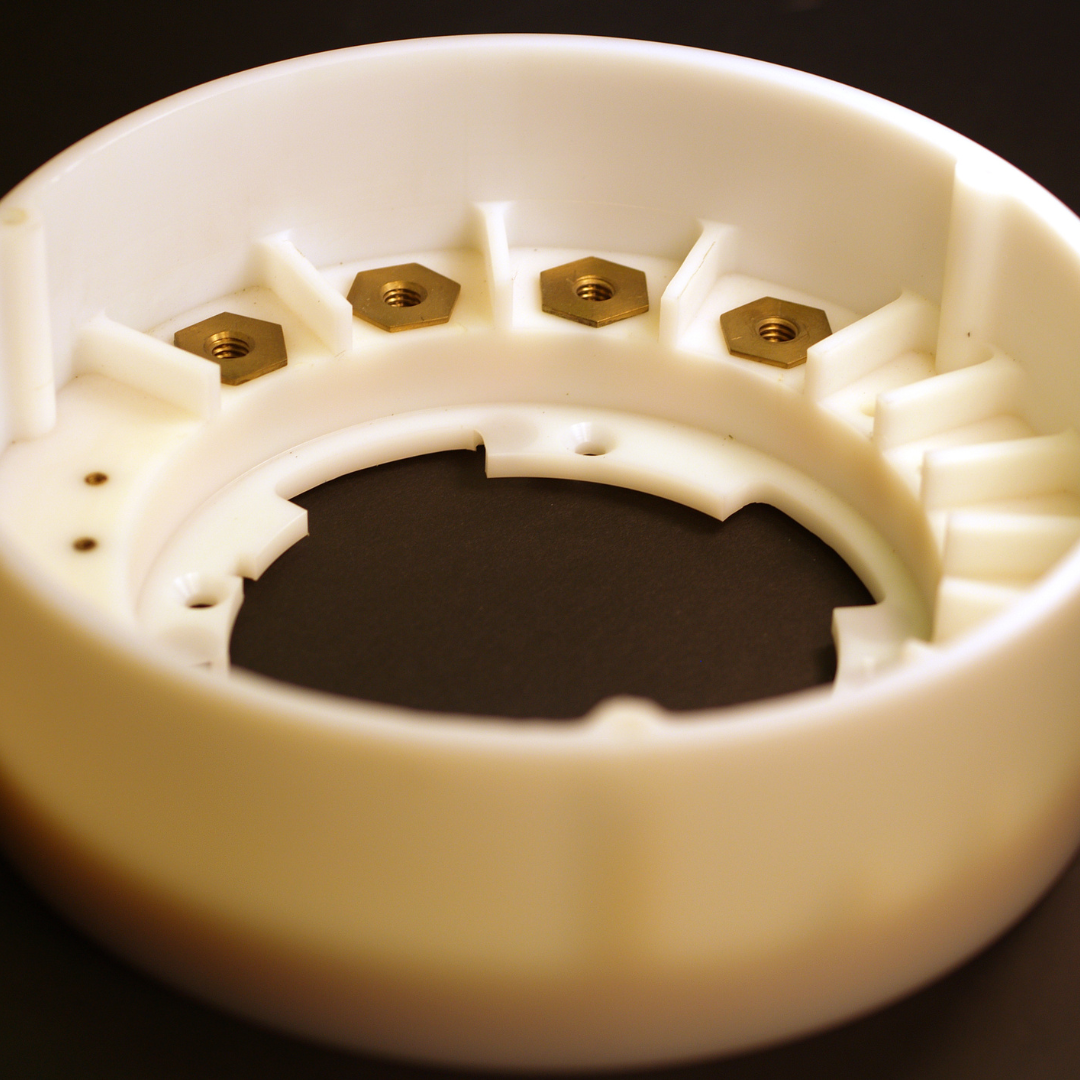
Choosing the
right polymer.
What plastic materials can Regina injection mould?
Can Regina advise which polymer is suitable for my product?
Can Regina mould engineering plastics?
Can I specify my own exact polymer grade?
Can colour be controlled in injection moulded components?
Does material choice affect the mould-tool design?
Not sure which polymer
best suits the component?
Send Regina your drawing or CAD model, application, operating environment, expected quantities and any required material properties. The team can discuss the material alongside the moulding and tooling route.