
Need to move an existing
moulding requirement?
If you already have a moulded component, existing tool or established production requirement, Regina can review the project and discuss a route into its UK injection moulding operation.
You don't always need
to start again.
Changing an injection moulding supplier does not necessarily mean redesigning the product or immediately replacing an existing mould tool.
The first step is to understand the component, the existing mould, the polymer, historical production requirements and the condition of the tooling. From there, Regina can review what is required before a route into production is agreed.
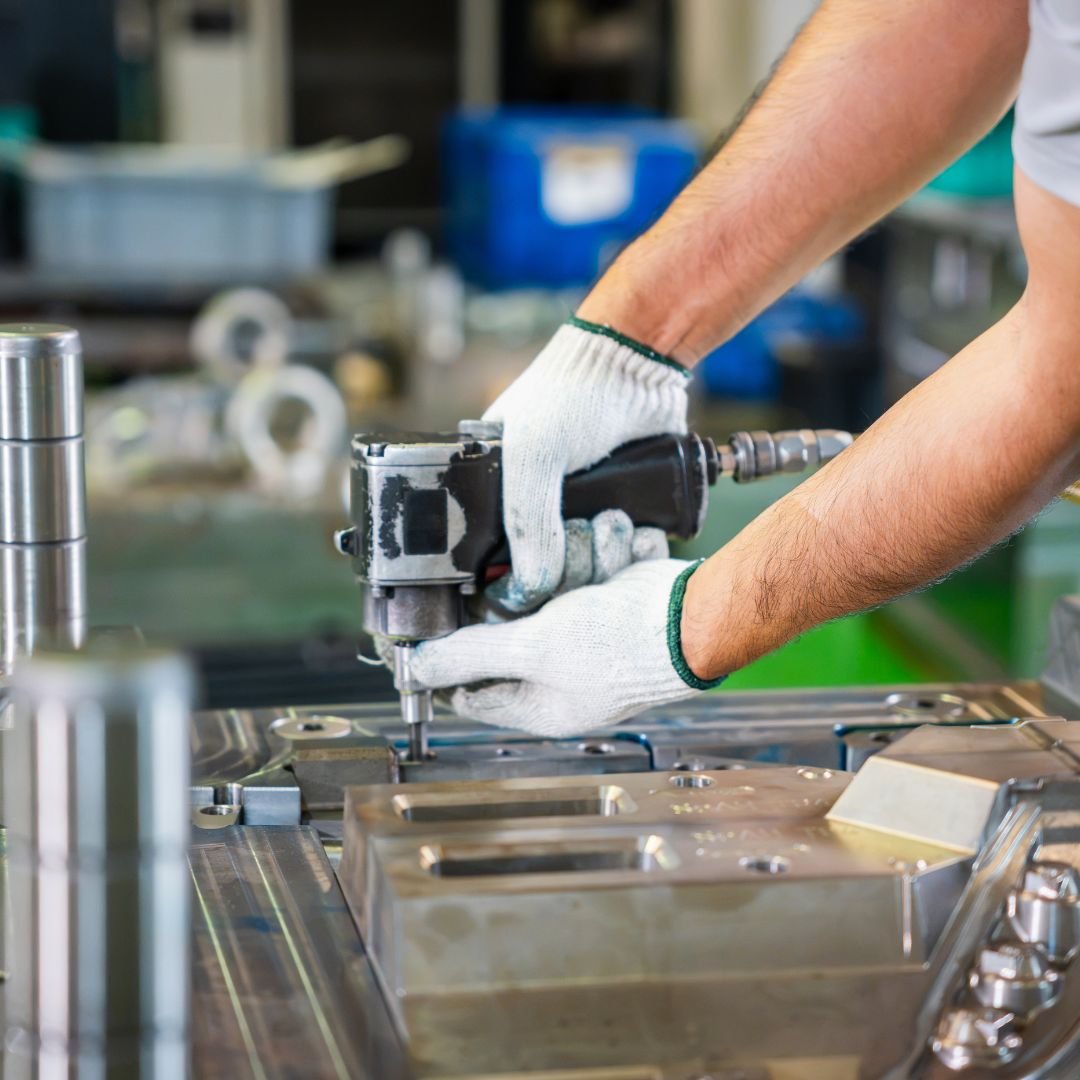
A supply-chain decision
as much as a tooling decision.
Businesses change moulding suppliers for many reasons. The important part is understanding what already exists and creating a controlled route into the new operation.
Supplier Change
Move an established component to a new manufacturing partner when existing supply arrangements no longer meet the requirement.
Re-sourcing
Explore whether an existing moulding requirement can be supported through Regina's Newcastle-under-Lyme manufacturing facility.
Tool Condition
Assess whether an existing tool requires maintenance, repair or refurbishment before further production.
Production Continuity
Plan the trial, validation and production handover around the needs of the existing component and supply requirement.
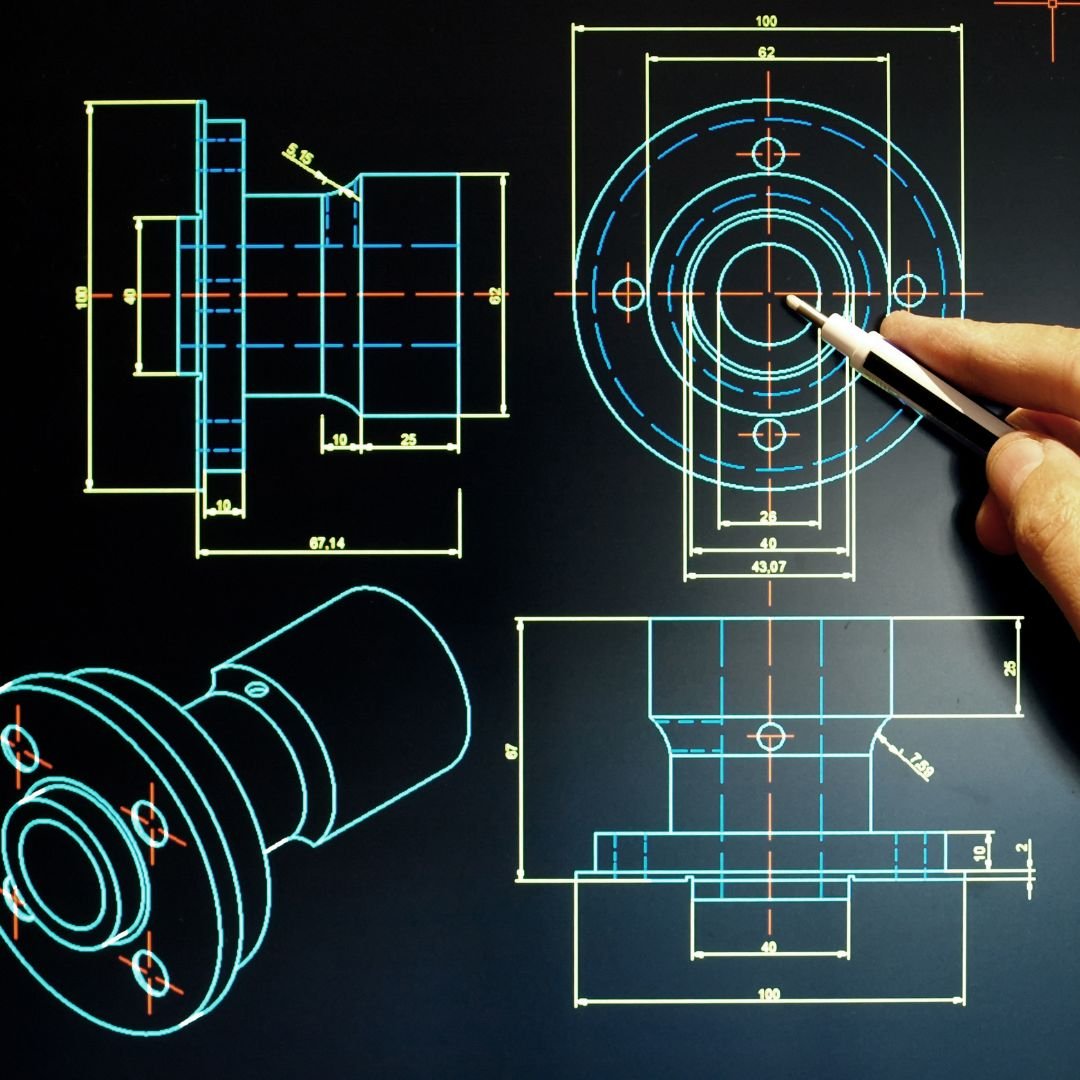
Start with the facts
about the existing job.
The more information available about the current production process and tooling, the easier it is to assess the re-sourcing route responsibly.
Review first.
Move production second.
Existing tooling should be assessed before assumptions are made about production compatibility or condition.
Information
Gather component, polymer, tooling, volume and quality information.
Assess
Review the existing tool and likely production compatibility.
Plan
Identify maintenance, refurbishment or validation requirements.
Trial
Run controlled moulding trials where appropriate.
Approve
Review the resulting component against the agreed requirement.
Produce
Move into repeat production once the route is approved.
Existing tooling may need
more than a machine change.
An incoming mould tool may require maintenance, repair or refurbishment before it is ready for reliable production.
Regina's in-house toolroom supports CNC machining, EDM spark erosion, precision grinding, tool assembly, maintenance and refurbishment. That means tooling condition can be considered alongside the new production requirement.
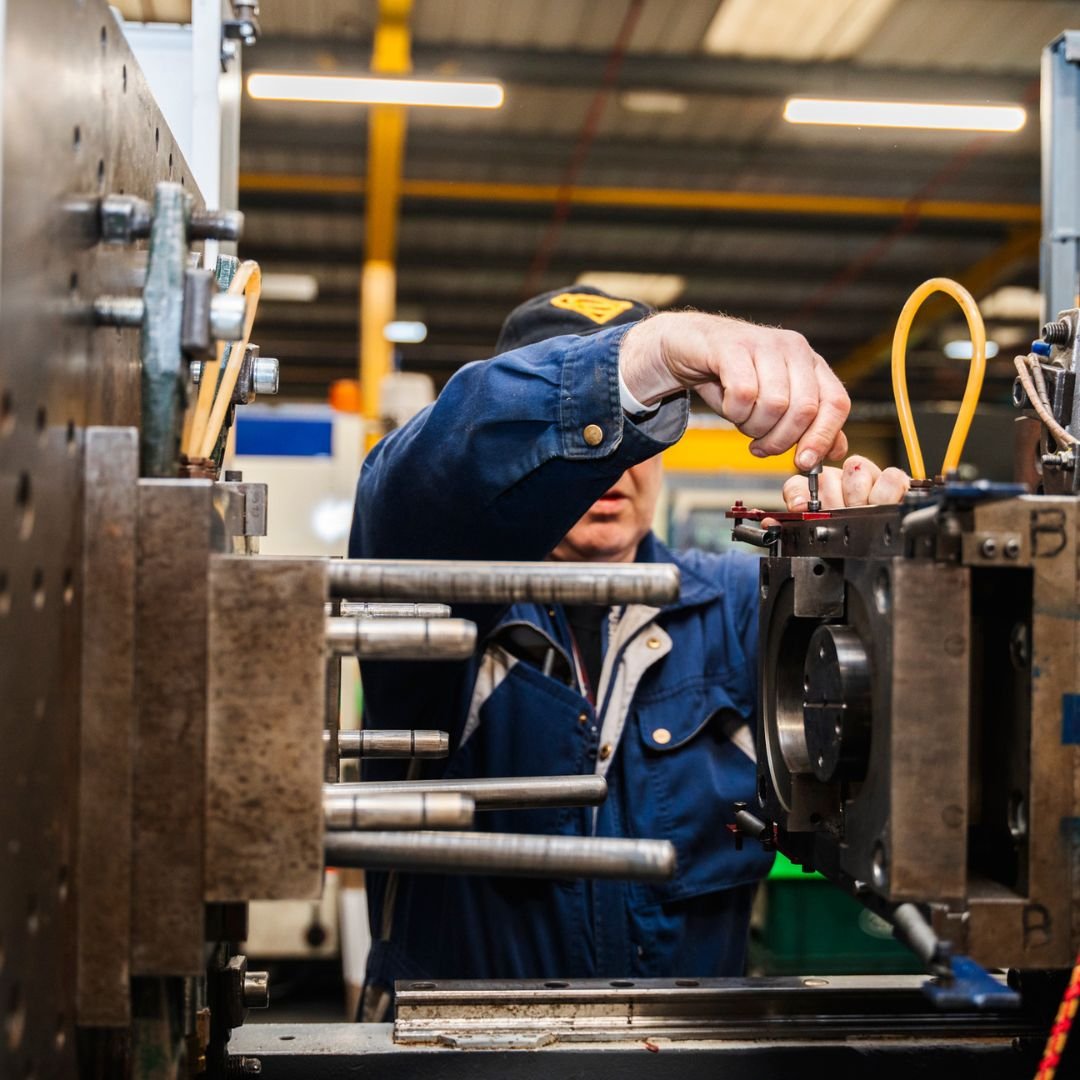
Inspect. Repair.
Trial. Produce.
The exact work required depends on the actual tool. Some tooling may need little intervention; other tools may require engineering work before repeat manufacture.
Tool Inspection
Review visible wear, condition and manufacturing suitability before moving into production trials.
Maintenance
Service tooling where appropriate to support reliable ongoing production.
Repair & Refurbishment
Use Regina's toolroom capability to address suitable worn or damaged tooling features.
Production Support
Keep tooling knowledge, moulding and future maintenance within the same manufacturing operation.
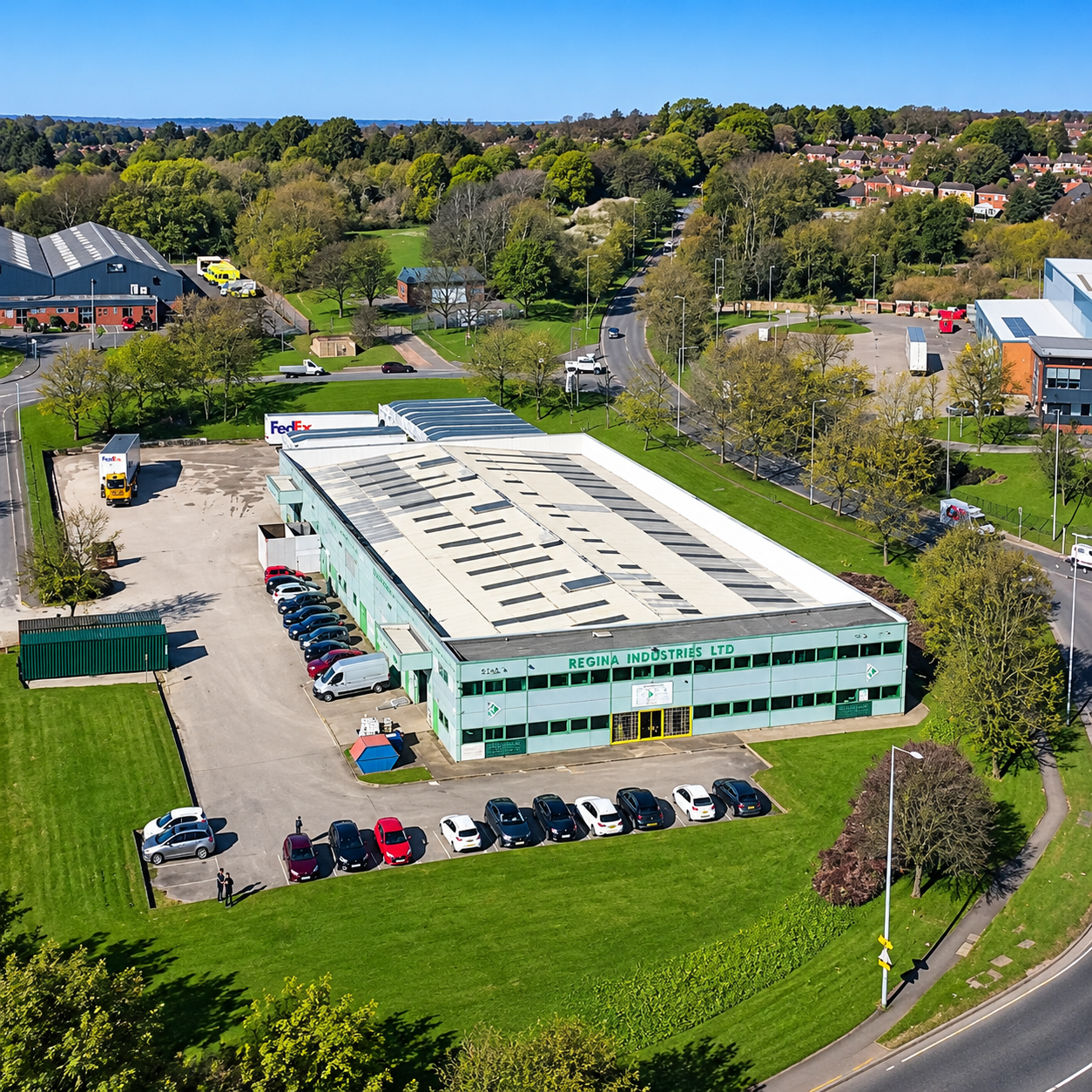
Bringing production
closer to home.
For businesses reviewing overseas or existing supply, UK re-sourcing can be considered alongside tooling, quality, logistics and production requirements.
Whether an individual project is suitable depends on the component, tool condition, polymer, volumes and commercial requirements. The practical approach is to review the existing job first and establish whether Regina's UK moulding capacity is a suitable manufacturing route.
Help us understand
the existing requirement.
You do not need every item before making contact, but the following information helps Regina understand the current production requirement.
Component Data
Current CAD, technical drawing, revision information and physical samples where available.
Tool Information
Tool drawings, dimensions, history, ownership information and known maintenance issues.
Material Specification
Polymer grade, colour, masterbatch and any application-specific material requirement.
Production Volumes
Annual quantities, typical batch sizes and expected repeat-production demand.
Quality Requirements
Inspection requirements, critical dimensions and any necessary production documentation.
Current Challenges
Known quality, tooling, supply or production issues that have prompted the re-sourcing review.
The new production route
has to prove itself.
Moving a component does not remove the need to confirm that the new manufacturing route meets the agreed requirements.
Assess incoming tooling and identify work required before moulding trials.
Establish how the tool and polymer behave within the proposed production route.
Compare the moulded component against the agreed drawing or specification.
Move into repeat manufacture once the required route has been agreed.

Before you move
an existing moulding job.
Can Regina take on an existing injection moulding requirement?
Can an existing mould tool be assessed?
Can Regina repair or refurbish an existing mould tool?
Will my existing mould tool run without modification?
Can Regina help bring an overseas moulding requirement back to the UK?
What should I send Regina first?
Can Regina support repeat production after the transfer?
Looking to re-source
an existing moulded component?
Send Regina your current drawing, mould-tool information, polymer specification, annual quantities and any known production issues. The team can review the existing requirement and discuss an appropriate UK manufacturing route.